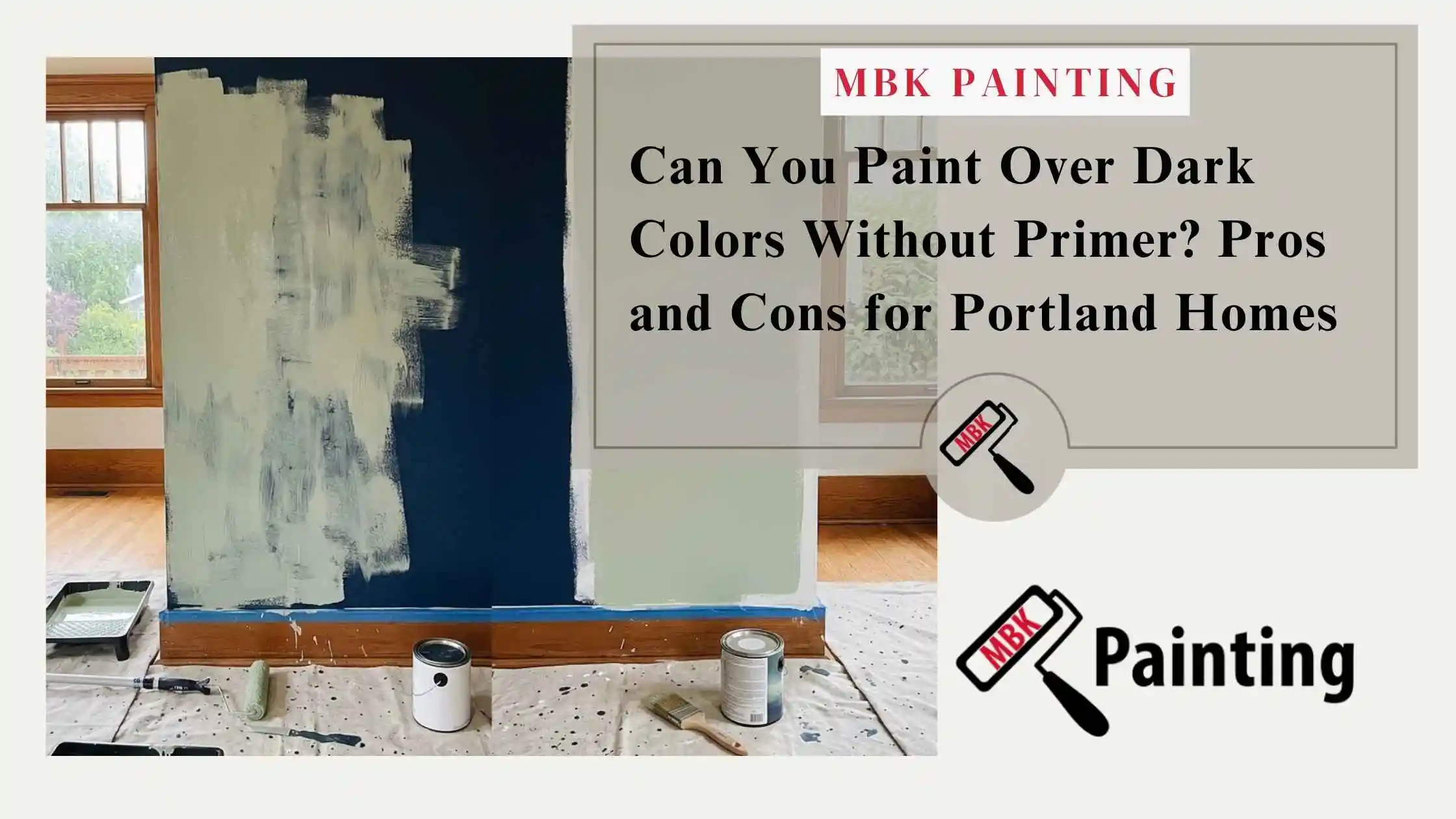
Changing dark-colored walls to lighter shades can make a Portland home feel brighter, cleaner, and more spacious. However, homeowners often discover that painting over dark colors is not as simple as applying a fresh coat of paint. Portland’s damp climate, older interior surfaces, and seasonal humidity can make proper wall preparation especially important. Without the right preparation and paint products, dark shades may continue showing through, leaving uneven coverage and an inconsistent finish.
So, can you paint over dark colors without primer? Yes, in certain situations, but skipping primer is not always the best choice. The decision depends on the existing paint condition, the new color, the wall material, and the type of paint being used. For Portland homeowners planning an interior update, understanding these factors can help prevent disappointing results and unnecessary repainting.
Can You Paint Over Dark Colors Without Primer?
Painting directly over dark colors is possible when the existing surface is clean, smooth, properly bonded, and compatible with the new paint. High-quality paints with good coverage can sometimes cover darker shades without a separate primer coat, particularly when the new color is relatively similar to the existing one.
However, switching from deep navy, charcoal, burgundy, or forest green to white, cream, or light gray presents a different challenge. Dark pigments can remain visible through lighter paint, especially when the product does not provide sufficient hiding power.
In Portland homes, where cloudy weather can make indoor lighting feel limited for much of the year, uneven wall coverage can become particularly noticeable. Natural and artificial lighting may reveal patches, roller marks, and differences in color throughout a room.
Primer creates a consistent foundation that helps control these issues. Rather than relying on multiple coats of finish paint, professional painters can select an appropriate primer to improve coverage and create a more uniform final appearance.
Pros of Painting Over Dark Colors Without Primer
Skipping primer can offer a few advantages when the existing walls are already in excellent condition.
Fewer application steps: Without a separate primer coat, the painting process may require less application time. This can be useful when repainting walls with similar shades.
Potential material savings: Some paint products combine paint and primer properties, reducing the need to purchase a separate primer for suitable surfaces.
Faster project completion: Eliminating an additional coating step can shorten the schedule when the surface does not require specialized preparation.
Convenience for minor color changes: Moving between similar medium or darker shades may not require the same level of coverage preparation as changing from a dark color to a light one.
However, these benefits depend on the condition of the walls and the products selected. Saving time initially does not necessarily mean saving time overall if poor coverage requires additional coats.
Cons of Skipping Primer When Covering Dark Colors
Although painting without primer can work in some circumstances, it creates several potential problems when making dramatic color changes.
Uneven Color Coverage
One of the most common problems is the original dark shade showing through the new paint. This can create visible patches and inconsistent coloring, particularly when applying lighter shades over deeply pigmented walls.
Additional Paint Coats
Without the correct primer, homeowners may need several coats of finish paint to achieve acceptable coverage. This increases material consumption and extends the project timeline.
Poor Adhesion
If the existing surface has glossy paint, repairs, stains, or areas of peeling, applying new paint without proper preparation can affect adhesion. The new coating may eventually crack, peel, or separate from the wall.
Visible Surface Imperfections
Primer helps create a more uniform surface appearance, but it cannot replace necessary repairs. Without addressing scratches, patched areas, stains, and other imperfections, the finished walls may look inconsistent.
For Portland homeowners, these problems can be especially frustrating when updating frequently used living spaces or preparing a property for sale.
Why Portland Homes Need Proper Painting Preparation
Portland’s Pacific Northwest climate brings frequent rainfall, cloudy conditions, and seasonal humidity. While indoor painting is possible throughout the year, moisture conditions inside a home can influence how coatings dry and perform.
Older Portland properties may also have multiple layers of previous paint, repaired drywall, or surfaces with different textures. These conditions require careful evaluation before a new color is applied.
Professional painters consider several factors before selecting a primer or paint system:
- Existing paint condition and adhesion.
- Surface stains, discoloration, and previous repairs.
- Differences between the old and new paint colors.
- Indoor temperature and humidity conditions.
- The appropriate primer and finish paint for the surface.
This preparation helps prevent common painting problems and supports a consistent finish that complements the home’s interior.
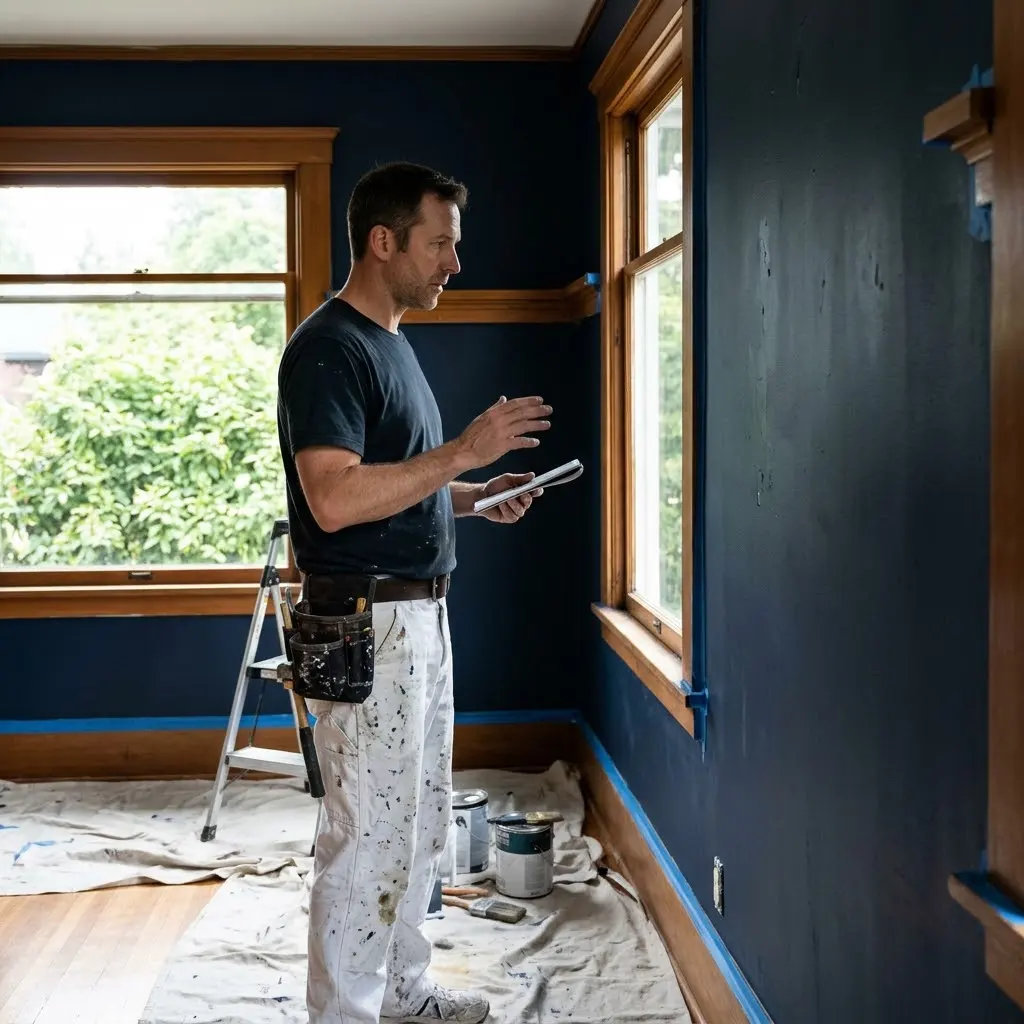
A Realistic Painting Scenario: Transforming Dark Walls in Portland
Imagine a Portland homeowner preparing to update a living room that has deep charcoal-gray walls. The existing color once complemented the furniture and decorations, but the homeowner now wants a brighter interior with warm white walls.
After selecting the new color, the homeowner considers applying two coats of premium white paint directly over the existing surface. However, the dark color presents a coverage challenge, and the wall also contains several previously repaired areas.
In this situation, simply applying another coat of paint may produce an uneven appearance. The repaired sections could absorb paint differently, while the original dark shade may remain visible beneath the lighter finish.
A professional residential painting team would begin by evaluating the wall condition, identifying imperfections, and determining whether a stain-blocking or high-hide primer is appropriate. The team would then address surface defects, prepare the walls, apply the selected primer when necessary, and finish with carefully applied coats of quality interior paint.
The result is a more consistent color transition and a cleaner appearance throughout the living room.
This is an illustrative project scenario, demonstrating why professional assessment matters when covering dark colors.
Why Professional Residential Painting Makes a Difference
Covering dark colors requires more than choosing a lighter paint shade. Professional painters understand how different coatings interact with existing surfaces and how preparation affects the final appearance.
MBK Painting brings more than 25 years of interior and exterior painting experience to residential projects. The company emphasizes careful surface preparation, premium paint products, professional application techniques, and attention to detail.
Professional Surface Preparation
Before applying new paint, professionals inspect walls for damaged areas, peeling coatings, stains, and imperfections. They determine which preparation methods are appropriate for each surface.
This is particularly important in older Portland homes, where previous repairs and multiple paint layers can create inconsistent conditions.
Choosing the Right Primer and Paint
Not every primer works for every situation. Some surfaces require stain-blocking products, while others benefit from bonding or high-hide primers.
Professional painters evaluate the existing coating and the intended color before choosing suitable materials. They also consider the finish, coverage requirements, and overall condition of the walls.
Professional Application Equipment
Professional rollers, brushes, and other painting equipment help achieve consistent coverage and clean edges. Experienced painters understand how to distribute paint evenly, maintain a consistent wet edge, and minimize visible application marks.
Protecting Your Home
A residential painting project involves more than painting walls. Furniture, flooring, fixtures, and nearby belongings need appropriate protection.
MBK Painting prioritizes cleanliness, efficiency, and careful protection of household belongings throughout the project. Its team also works with homeowners to select colors and finishes that match their preferences and interior design goals.

When Should You Use Primer Over Dark Paint?
Primer is generally recommended when making a significant color change, covering stains, painting repaired drywall, or working with surfaces that have adhesion concerns.
It may also be necessary when the existing paint has a glossy finish or when the new coating requires a different surface foundation.
Skipping primer may be reasonable when the existing paint is in excellent condition, the color transition is minor, and the selected paint product is suitable for direct application.
The best approach is to evaluate the walls before beginning the project instead of assuming that every dark surface requires the same treatment.
FAQs About Painting Over Dark Colors
Can white paint cover dark-colored walls?
Yes. However, moving from dark colors to white generally requires careful preparation and may require a suitable primer and multiple finish coats for consistent coverage.
How many coats of paint are needed to cover dark colors?
The number depends on the original shade, new paint color, product quality, surface condition, and whether primer is used. A professional assessment helps determine the appropriate coating system.
Is paint and primer in one good enough for dark walls?
Some paint-and-primer products offer excellent coverage, but they do not replace every type of specialized primer. Dramatic color changes and stained surfaces may require a separate primer.
Does Portland’s humidity affect interior painting?
Yes. Indoor humidity and temperature can influence drying times and coating performance. Professional painters account for environmental conditions when planning an interior painting project.
Give Your Portland Home a Fresh New Look with MBK Painting
Covering dark colors can dramatically improve your home’s interior, but the right preparation makes the difference between an uneven repaint and a beautiful, consistent finish. Whether you want to replace dark bedroom walls, brighten your living room, or update your entire home’s color scheme, professional residential painting helps achieve dependable results.
MBK Painting provides residential painting services throughout Portland and surrounding communities, including Cedar Mill, Beaverton, Tigard, Lake Oswego, and other Portland Metro areas.
With more than 25 years of painting experience, attention to detail, and a commitment to quality workmanship, the team can help you choose the right painting approach for your home.
Ready to transform your dark walls? Call MBK Painting at (503) 773-4957 or request a quote to discuss your residential painting project.