Your home’s siding does more than just add curb appeal; it serves as the first line of defense against Portland’s rain-heavy climate, seasonal moisture, and occasional cold snaps. Over time, even high-quality siding starts to show wear. But when cracks, peeling paint, or warping appear, how do you know whether it’s time for a fresh coat of paint or a full replacement?
In this guide, we’ll help you identify the key signs that indicate whether your siding needs repainting or replacing, and why working with a professional siding contractor in Portland, OR, ensures lasting results for your home’s beauty and protection.
1. Inspect the Paint Condition: Peeling, Cracking, or Fading
Portland’s wet winters and UV-heavy summers can take a toll on siding paint. If your siding looks dull, chalky, or patchy, that’s a clear sign it’s time for professional painting.
- Peeling or flaking paint exposes your siding to moisture, leading to rot or mold over time.
- Fading color means the paint’s UV protection has broken down, reducing curb appeal and surface protection.
- Chalking (white residue when you rub your hand on it) is another indicator that your exterior needs repainting.
Best solution: A professional repaint using high-quality, weather-resistant coatings can restore both aesthetics and protection.
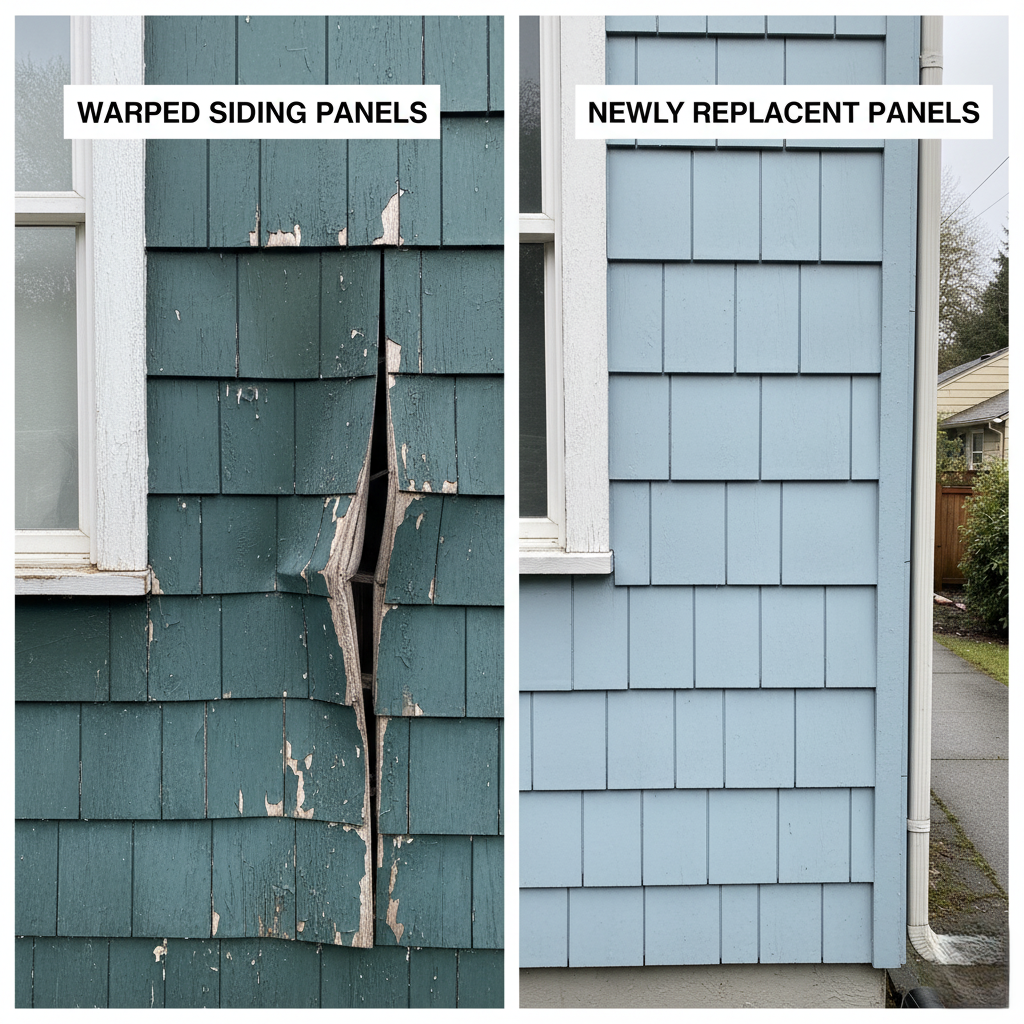
2. Check for Warping or Buckling
If your siding looks uneven, warped, or detached from the wall, it’s likely beyond what a paint job can fix. Portland’s damp climate can cause water infiltration behind panels, especially with wood or fiber cement siding.
- Wood siding: May swell and warp due to moisture exposure.
- Vinyl siding: Can buckle if installed too tightly or exposed to extreme heat.
Best solution: Replacement. Professional siding replacement ensures the new panels fit securely, keeping water and air leaks out while maintaining your home’s insulation.
3. Look for Signs of Rot or Mold
Portland’s rainy conditions make wood rot a common issue. If you notice soft spots, dark patches, or mold growth on your siding, a simple paint job won’t be enough.
Rot spreads quickly and compromises your home’s structure. Mold, meanwhile, poses health risks and often grows behind siding where moisture gets trapped.
Best solution: Have a professional assess the extent of damage. In cases of minor surface mold, power washing and repainting may work. However, deep rot requires immediate replacement of affected boards.
4. Examine Caulking and Seams
The joints and caulking between siding panels play a key role in keeping out moisture. If the caulking is cracked, missing, or separated, water can easily penetrate and damage the wall beneath.
In Portland’s humid environment, even small gaps can cause long-term water damage.
Best solution: Professionals can re-caulk and seal small gaps before repainting. But if the siding boards themselves are deteriorating, a full replacement is more cost-effective in the long run.
5. Rising Energy Bills and Drafty Walls
If your heating or cooling costs are climbing, your siding might not be insulating as well as it should. Cracks, gaps, and damaged insulation behind your siding can cause significant energy loss.
In Portland’s chilly winters, this means your home’s interior warmth escapes faster, leading to higher energy bills and reduced comfort.
Best solution: Replacement. Modern siding materials like insulated vinyl or fiber cement help regulate indoor temperature and boost energy efficiency.
6. Bubbling or Blistering Paint
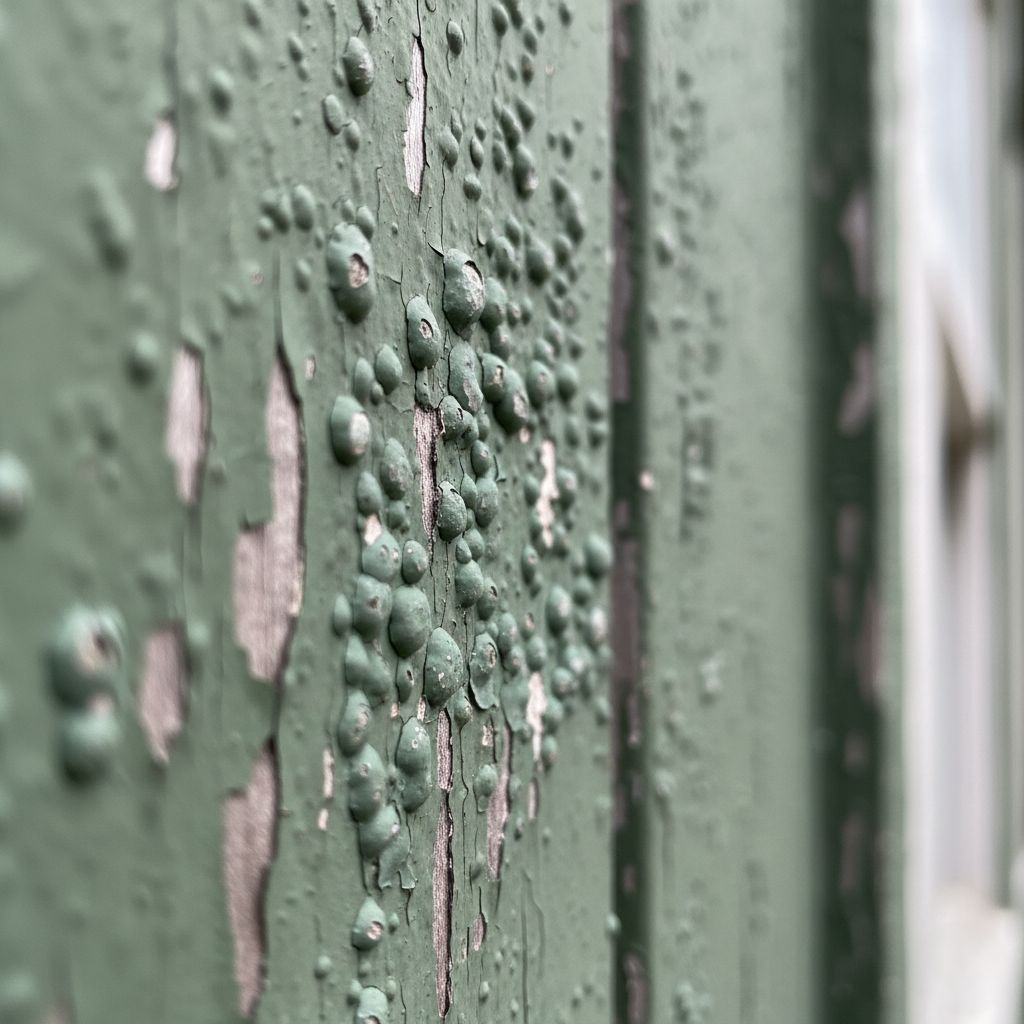
Bubbles or blisters under your siding paint indicate moisture trapped beneath the surface, a common problem in rainy regions like Portland. Once this happens, paint can no longer properly protect your siding.
Best solution: If damage is localized, sanding and repainting can restore the look. But widespread bubbling typically means the underlying material is compromised and should be replaced.
7. Frequent Maintenance or Repainting
If you find yourself repainting your siding every 3–5 years, there may be an underlying issue such as poor adhesion, substandard materials, or hidden moisture damage.
Modern paints, when applied by professionals using proper prep techniques, should last 8–10 years on average, even in Portland’s damp conditions. Frequent repainting means your siding may be deteriorating underneath.
Best solution: Schedule an inspection with a siding expert to determine if replacement is a more cost-efficient investment.
8. Age of the Siding
Most siding materials have a limited lifespan:
- Wood siding: 20–40 years (with regular upkeep)
- Vinyl siding: 20–30 years
- Fiber cement: Up to 50 years
If your siding is approaching its expected lifespan and showing visible wear, it’s likely time to replace it instead of repainting. New siding can transform your home’s appearance while increasing its resale value.
Best solution: Replacement. You’ll get long-term durability, energy efficiency, and lower maintenance needs.
Professional Help Makes All the Difference
Determining whether to paint or replace siding isn’t always straightforward. A licensed siding contractor in Portland can inspect your exterior, identify problem areas, and recommend the best course of action based on your home’s condition and budget.
Professional services also ensure:
- Safe removal of damaged or moldy materials
- Proper surface preparation before painting
- Weather-resistant coatings suited for Portland’s climate
- Quality installation for replacements with manufacturer warranties
Final Thought
Your siding plays a crucial role in both protecting and enhancing your Portland home. Whether it’s time for a fresh coat of paint or a complete replacement, the right professional can ensure long-lasting beauty and performance.
Call to Action
If you’ve noticed signs of wear, like peeling paint, rising energy costs, or visible warping, don’t wait until the damage worsens. Contact your local Portland siding specialists today for an inspection and get expert recommendations tailored to your home’s needs and budget.